
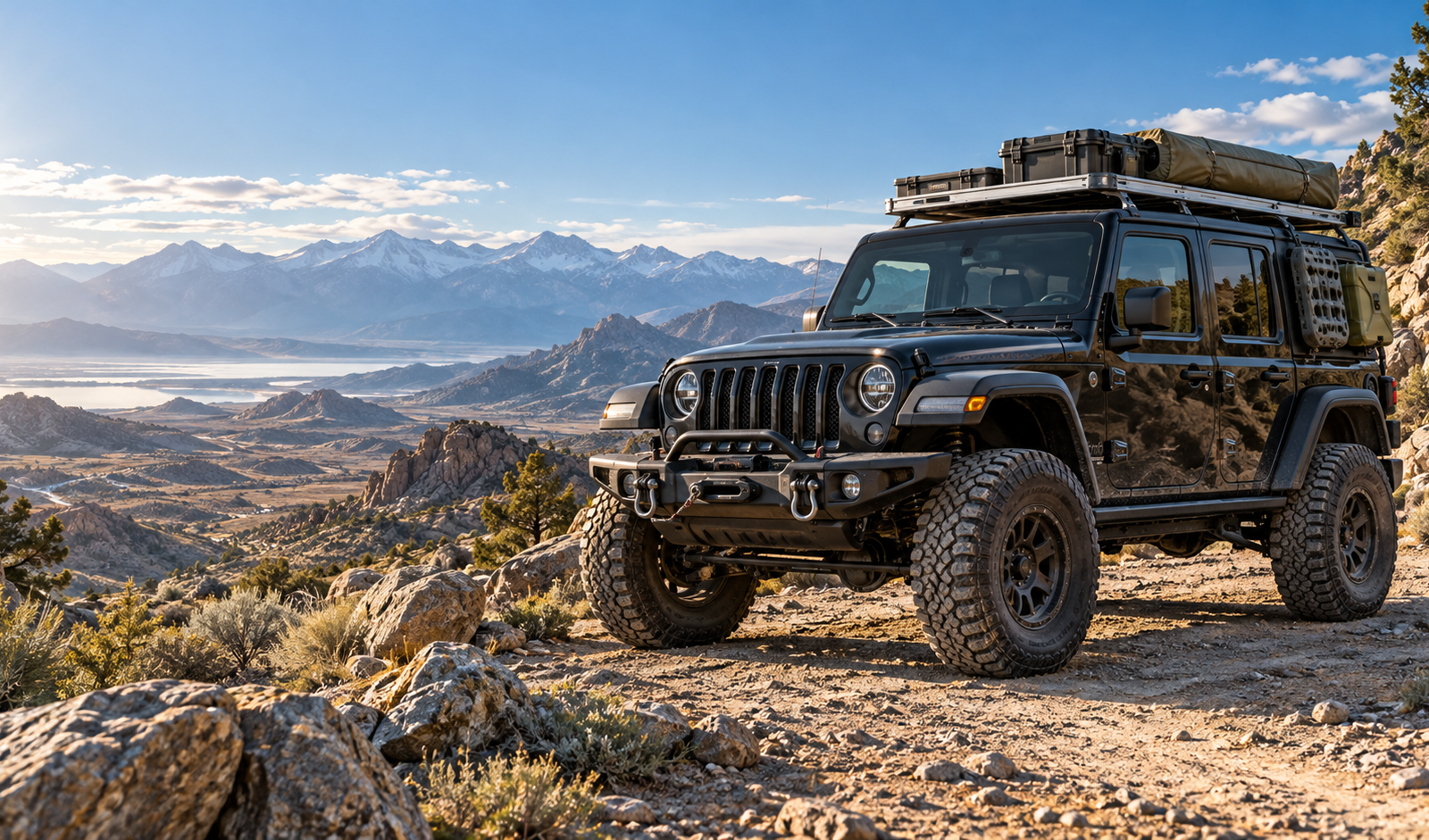
The OMU Genesis Series is designed for Jeep owners who want a more complete off-road and overland accessory system. Instead of focusing on one isolated part, the series supports multiple vehicle zones, including roof cargo, exterior storage, Jerrycan support, lighting, and practical access.
For buyers comparing OMU Genesis off-road parts, the key question is not only which product looks best. The more important question is how each accessory improves the vehicle’s real use. A strong Jeep build should make packing, driving, camping, and trail stops easier.
What Is the OMU Genesis Series?
The OMU Genesis Series includes vehicle accessories built for off-road, overland, and utility-focused Jeep setups. These OMU Genesis accessories help owners build a more organized vehicle by dividing gear across different areas of the Jeep.
| Genesis Series Direction | Example Product | Practical Value |
|---|---|---|
| Cargo expansion | Aluminum roof rack | Carries bulky overland gear |
| Liquid support | 10L Jerrycan kit | Separates fuel or water from cabin cargo |
| Lighting | A-pillar spotlight | Improves trail-edge visibility |
| Access | Door hinge step | Makes roof cargo easier to reach |
Genesis Series Roof Cargo Solution
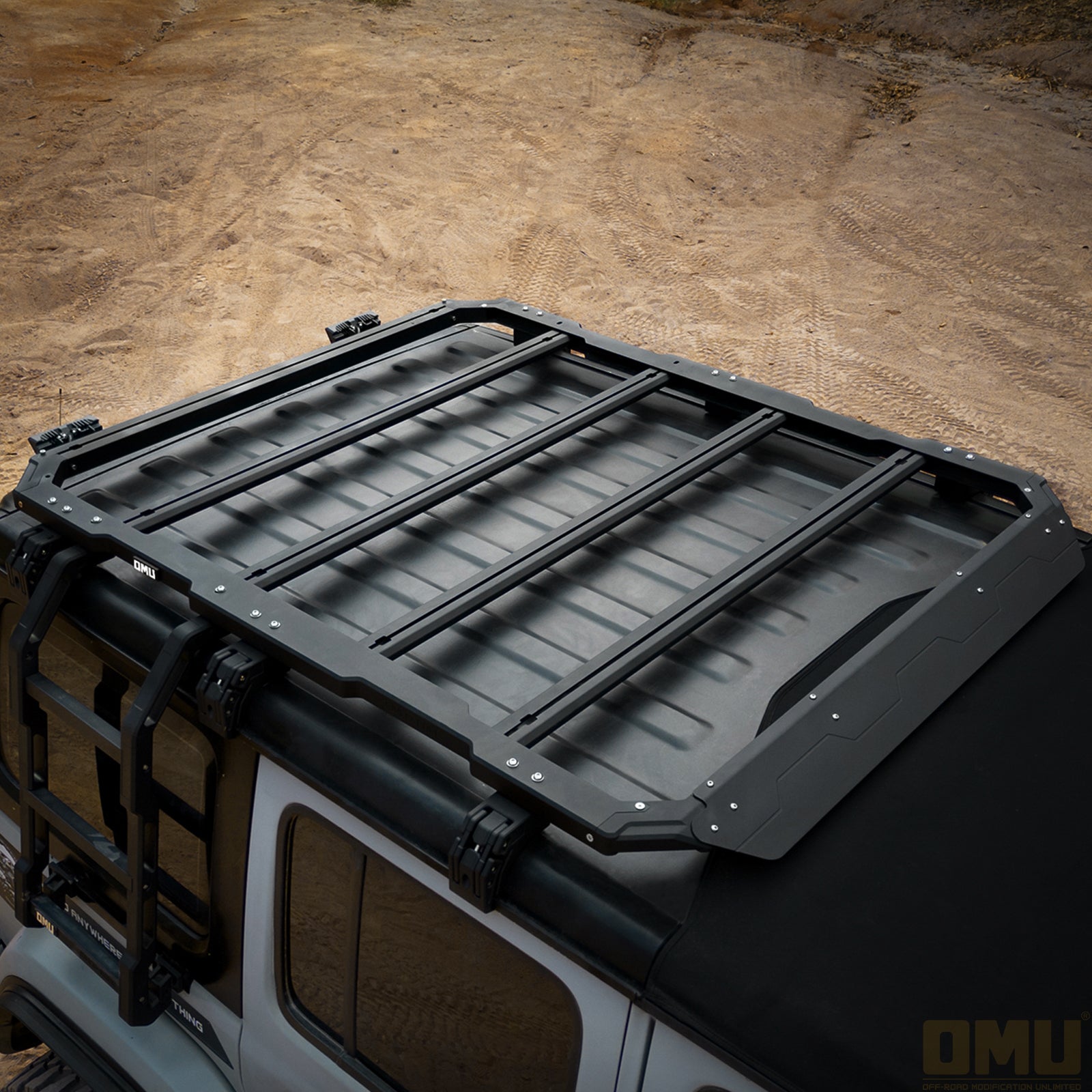
Roof cargo is often the first major step in a Jeep overland build. It creates more usable space for camp equipment, storage boxes, recovery boards, and travel gear. The OMU Genesis roof rack supports this foundation by turning the top of the vehicle into a planned cargo zone.
Recommended OMU Genesis Cargo Upgrade
Genesis Series Fuel and Utility Support
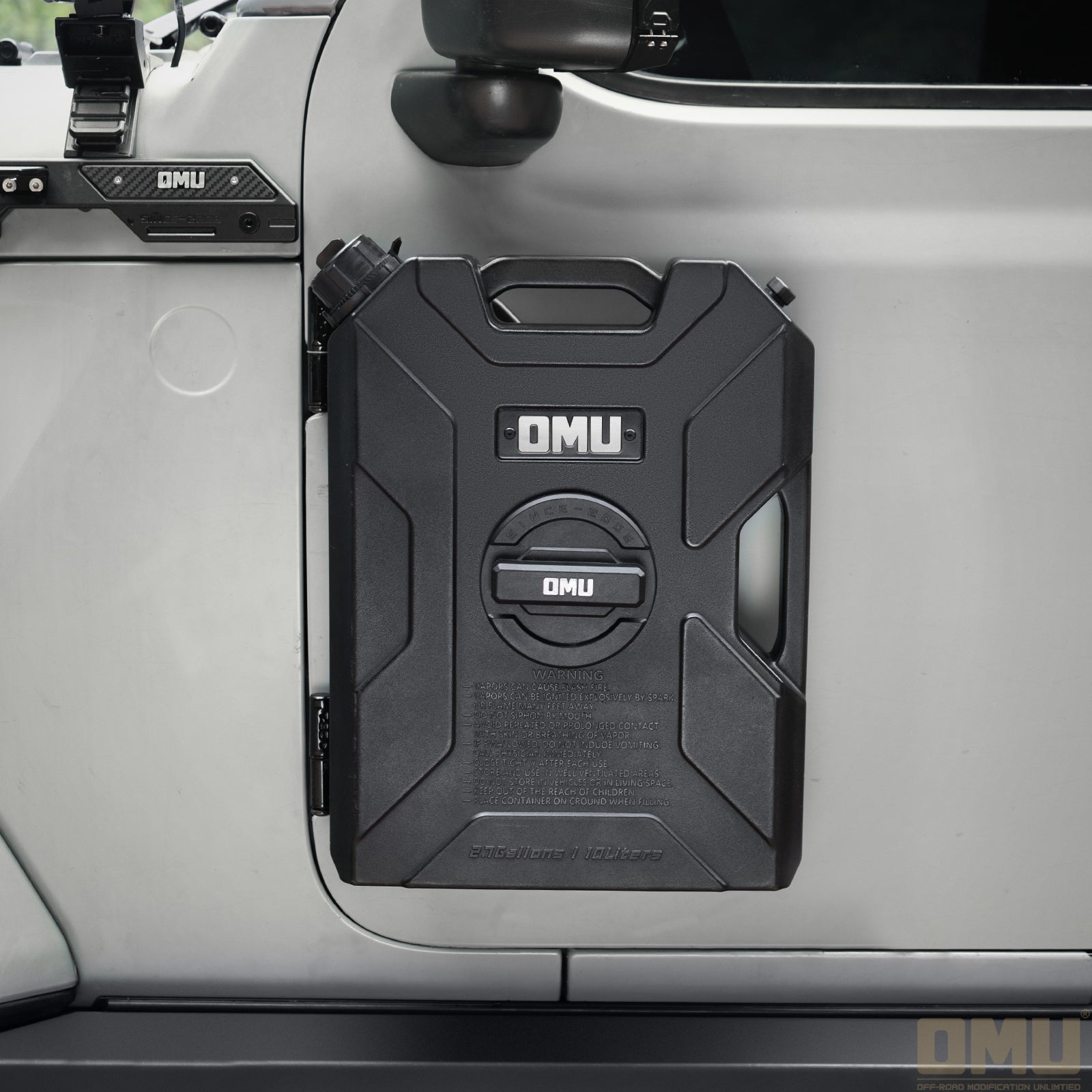
A longer trail route requires more careful fluid planning. The OMU Genesis 10L Jerrycan Kit helps create a dedicated exterior zone for fuel or water, keeping liquid storage separate from luggage, tools, and interior cargo.
Recommended OMU Genesis Utility Upgrade
Genesis Series Lighting and Roof Access
Off-road accessories should also support visibility and access. A-pillar lighting helps with side-forward trail awareness, campsite entry, and low-speed night driving. A door hinge step helps the driver reach roof-mounted gear more easily when loading, unloading, or checking straps.
These parts may look smaller than a roof rack or storage system, but they improve daily usability. A complete OMU Genesis build should not only carry gear; it should also make that gear easier to reach and use.
How to Build with OMU Genesis Accessories
The strongest Genesis Series setup is planned in stages. Start with the vehicle’s most frequent problem, then add accessories that support the same usage pattern. A camping-focused Jeep may need roof cargo and rear storage first. A night-trail build may need A-pillar lighting earlier. A long-distance overland setup should include fuel or water planning.
- Use roof cargo for bulky items that do not need full cabin protection.
- Use Jerrycan support for fuel or water instead of mixing liquids with luggage.
- Use lighting accessories to improve trail-edge visibility.
- Use steps and access parts to make roof-mounted equipment easier to reach.
- Keep each accessory connected to a clear use case.
From Individual Parts to a Complete Overland System
Individual off-road parts become more valuable when they work together. A roof rack can carry bulky equipment, a Jerrycan kit can support fuel or water planning, and a well-organized storage area can keep tools and recovery items available without filling the cabin. The objective is not to add the most parts, but to create a layout that is easy to understand and easy to maintain.
Match each part to a vehicle zone
Use the roof for bulky equipment, the rear and side areas for quick-access tools, and the cabin for items that need protection from weather and dust. Keeping each type of gear in a consistent zone prevents repeated unpacking and makes trail stops more efficient.
Keep the setup serviceable
Leave room to inspect brackets, straps, wiring, and fasteners. An overland build should not require the removal of half the vehicle before a loose bolt or damaged connector can be checked. Simple access is especially important when a vehicle is used for both everyday driving and remote travel.
Practical Fitment and Safety Checks
- Verify model, generation, body configuration, and mounting points before ordering.
- Check door, window, tailgate, and roof clearance with the accessory installed.
- Keep heavy items low and secure all exterior cargo against movement.
- Protect electrical wiring from heat, abrasion, water, and moving hinges.
- Inspect all hardware after the first trail drive and before every longer trip.
Three Useful Build Stages
A compact weekend setup can begin with one storage improvement and one access improvement. A more capable overland setup can add roof cargo and fuel or water support. Extended travel requires a complete review of weight distribution, weather protection, service access, and recovery equipment. Building in stages makes it easier to measure the practical value of each upgrade.
The best OMU Genesis build is therefore not a fixed list of parts. It is a flexible utility system that can be adjusted as the Jeep moves from daily use to camping, trail driving, and longer overland travel.
Final Thoughts
The OMU Genesis Series is useful because it helps Jeep owners think in systems. Cargo, lighting, storage, access, and utility are all connected. When these accessories are selected together, the vehicle becomes more practical for both road use and trail travel.
Frequently Asked Questions
What is the OMU Genesis Series?
It is a series of OMU off-road and overland accessories designed for cargo, lighting, storage, fuel or water support, and trail utility.
Who should choose OMU Genesis accessories?
Jeep owners who want a cleaner, more functional overland or off-road setup can use OMU Genesis accessories to build in stages.
Are Genesis Series parts only for appearance?
No. The best Genesis Series parts are designed around practical use, including cargo carrying, gear access, and trail support.
How should I start an OMU Genesis build?
Start with your most common trip problem, such as cargo space, tool access, fuel or water planning, lighting, or roof access.